Market Overview and Key Financial Instruments
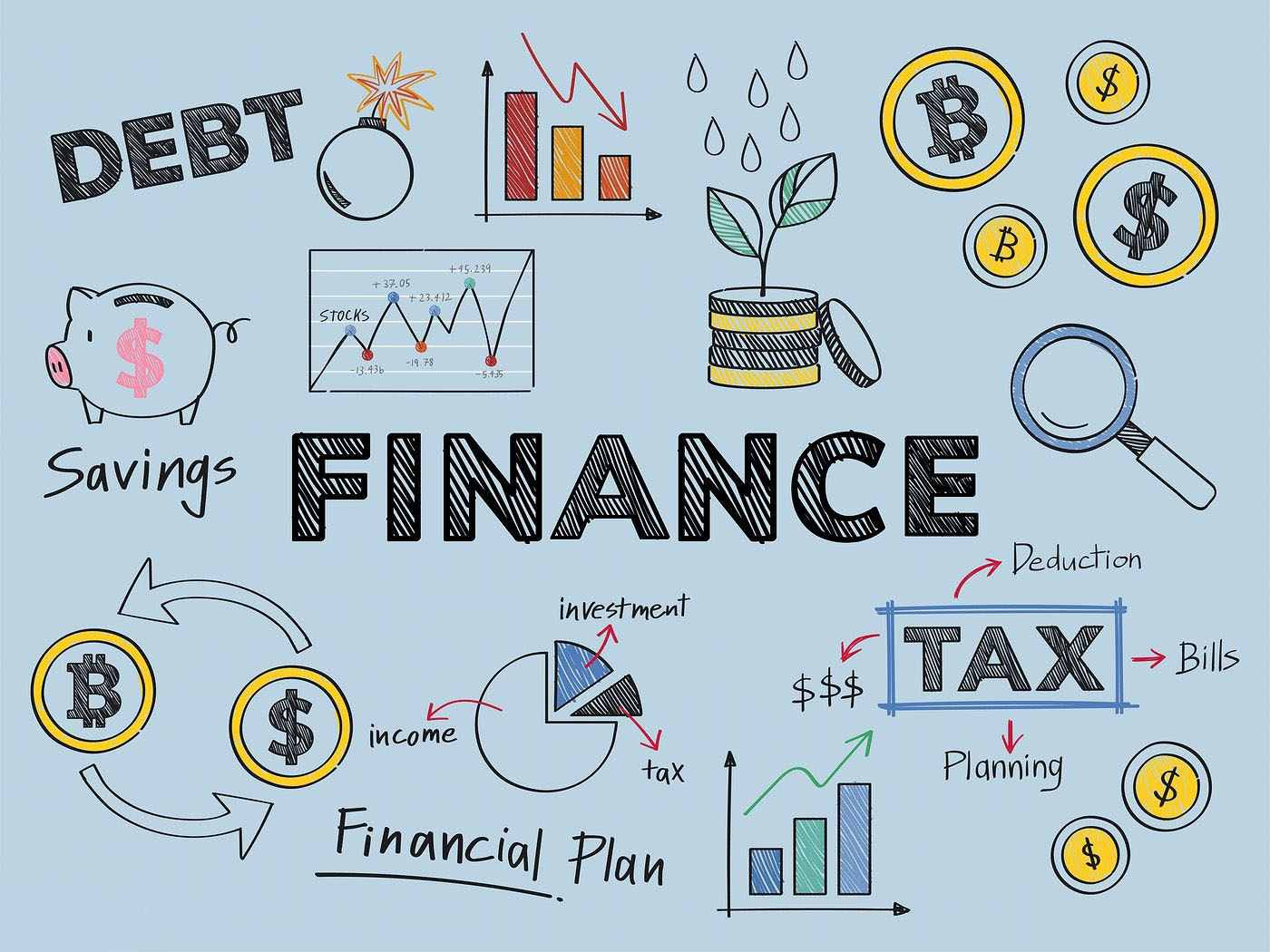
The financial market is a complex ecosystem that encompasses a wide range of instruments, including equities, indices, commodities, currencies, cryptocurrencies, bonds, and more. Each of these categories plays a crucial role in shaping the global economic landscape. Understanding these instruments can provide valuable insights for investors, traders, and analysts alike.
Indices: Tracking Market Performance
Indices serve as benchmarks for measuring the performance of financial markets. Major indices such as the Dow Jones, S&P 500, and Nasdaq are closely watched by investors to gauge the health of the stock market. These indices reflect the overall trend of the market and are often used to assess investment strategies.
- Dow Jones: This index tracks the performance of 30 large, publicly-owned companies based in the United States.
- S&P 500: Comprising 500 leading U.S. companies, this index is a widely followed indicator of the overall stock market.
- Nasdaq: Focused on technology and growth-oriented companies, the Nasdaq is known for its high volatility and potential for significant returns.
These indices are essential tools for investors looking to make informed decisions about their portfolios.
Equities: The Backbone of Investment
Equities, or stocks, represent ownership in a company. Investors buy shares of a company with the hope that the value will increase over time. Some of the most popular stocks include tech giants like Apple, Tesla, and Amazon, which have shown consistent growth over the years.
- Apple (AAPL): Known for its innovative products and strong brand loyalty, Apple continues to be a top performer in the stock market.
- Tesla (TSLA): As a leader in electric vehicles and renewable energy, Tesla has attracted a lot of attention from both retail and institutional investors.
- Amazon (AMZN): With its dominance in e-commerce and cloud computing, Amazon remains a key player in the market.
Investing in equities requires careful analysis of company fundamentals, market trends, and economic indicators.
ETFs and Funds: Diversifying Your Portfolio
Exchange-Traded Funds (ETFs) and mutual funds offer investors a way to diversify their portfolios. These investment vehicles allow individuals to gain exposure to a broad range of assets without having to purchase each one individually.
- SPDR S&P 500 (SPY): This ETF tracks the S&P 500 index and is one of the most popular investment options for those seeking broad market exposure.
- iShares MSCI Emerging Markets (EEM): This fund provides access to emerging market economies, offering potential for higher growth but also greater risk.
- Vanguard Total Bond Market Index Fund (VBMFX): For investors seeking a more conservative approach, this fund offers exposure to a wide range of U.S. Treasury and corporate bonds.
ETFs and funds are ideal for investors who want to spread their risk across different asset classes and regions.
Commodities: A Hedge Against Inflation
Commodities such as gold, oil, and natural gas play a vital role in the financial market. They are often used as a hedge against inflation and currency devaluation.
- Gold (XAU): Historically seen as a safe haven, gold is often purchased during times of economic uncertainty.
- Crude Oil (CL): As a critical component of the global economy, crude oil prices can significantly impact inflation and consumer spending.
- Natural Gas (NG): This commodity is essential for energy production and is influenced by factors such as weather and geopolitical events.
Investors often use commodities to balance their portfolios and manage risk.
Currencies: Navigating the Foreign Exchange Market
The foreign exchange (forex) market is the largest financial market in the world, where currencies are traded. Understanding currency movements is essential for international investors and businesses.
- USD/JPY: This pair reflects the relationship between the U.S. dollar and the Japanese yen, influenced by interest rates and economic data.
- EUR/USD: The euro-to-dollar exchange rate is a key indicator of the health of the European and U.S. economies.
- GBP/USD: The British pound against the U.S. dollar is another major pair, affected by economic and political developments in the UK.
Currency trading requires a deep understanding of macroeconomic factors and market sentiment.
Cryptocurrencies: The Digital Frontier
Cryptocurrencies have emerged as a new asset class, offering both opportunities and risks. Bitcoin, Ethereum, and other digital currencies have gained popularity among investors and traders.
- Bitcoin (BTC): The first and most well-known cryptocurrency, Bitcoin has experienced significant price fluctuations and is often viewed as a store of value.
- Ethereum (ETH): Known for its smart contract capabilities, Ethereum has become a platform for decentralized applications and initial coin offerings (ICOs).
- Other Altcoins: Various altcoins, such as Cardano (ADA), Solana (SOL), and Dogecoin (DOGE), offer unique features and potential for growth.
The cryptocurrency market is highly volatile and requires careful consideration of regulatory and technological factors.
Bonds: A Stable Investment Option
Bonds are debt instruments issued by governments and corporations to raise capital. They offer a fixed income stream and are considered relatively safer than equities.
- U.S. Treasury Bonds: These are considered low-risk investments backed by the U.S. government.
- Corporate Bonds: Issued by companies, these bonds offer higher yields but come with greater credit risk.
- Municipal Bonds: These are issued by local governments and often provide tax advantages for investors.
Bonds can provide a steady income and help diversify an investment portfolio.
Certificates: Leveraged Financial Products
Certificates are financial instruments that offer leveraged exposure to underlying assets. They are often used by sophisticated investors to amplify returns.
- SG FTSE MIB Gross TR 5x Daily Short Strategy RT 18: This certificate provides a daily short exposure to the FTSE MIB index, allowing investors to profit from market declines.
- Other Certificates: Various certificates offer different leverage ratios and strategies, catering to diverse investment goals.
Investing in certificates requires a thorough understanding of the associated risks and potential rewards.
Conclusion
The financial market is a dynamic and ever-evolving landscape, offering a wide array of investment opportunities. From traditional equities and bonds to modern cryptocurrencies and leveraged certificates, each instrument serves a unique purpose. Understanding these instruments and their characteristics is essential for making informed investment decisions. Whether you're a seasoned investor or just starting out, staying informed and diversified can help navigate the complexities of the financial market.
 0 Comments


