Overview of Financial Instruments and Market Trends
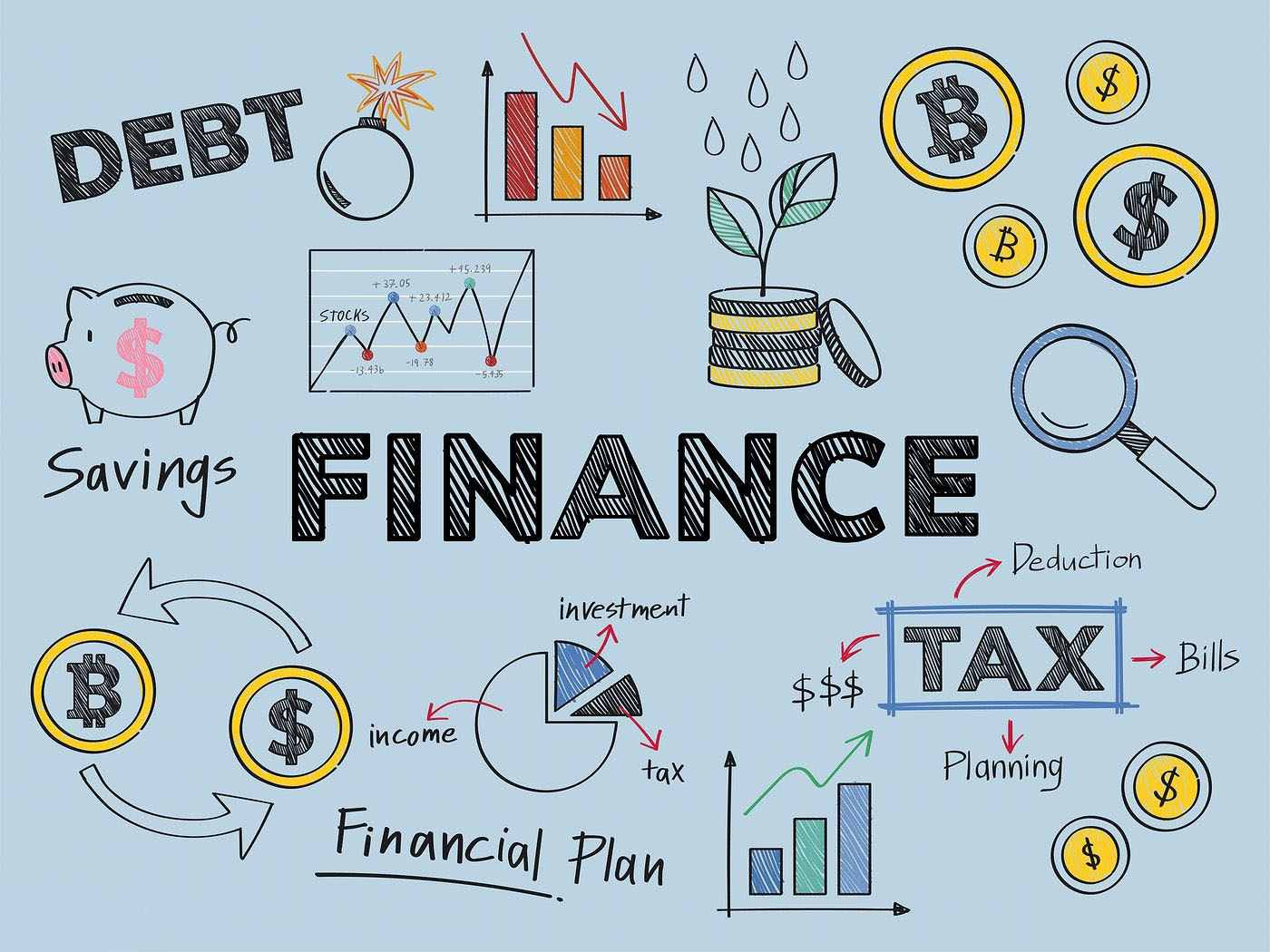
The financial market is a dynamic ecosystem that includes various instruments such as indices, equities, ETFs, funds, commodities, currencies, cryptocurrencies, bonds, and certificates. These instruments are essential for investors looking to diversify their portfolios and manage risk effectively. Understanding the current trends and forecasts in these markets can provide valuable insights for making informed investment decisions.
Key Financial Instruments
Indices: Indices like the S&P 500, Dow Jones, and Nasdaq serve as benchmarks for the performance of the stock market. They reflect the overall health of the economy and investor sentiment.
Equities: Stocks represent ownership in companies and are traded on exchanges. Investors often look for stocks with strong fundamentals and growth potential.
ETFs (Exchange-Traded Funds): These funds track specific indices or sectors and offer a way to invest in a diversified portfolio. They are popular due to their flexibility and lower costs compared to traditional mutual funds.
Funds: Mutual funds and other investment vehicles allow investors to pool their money for professional management. They can be focused on specific asset classes or strategies.
Commodities: Gold, oil, and other raw materials are essential for economic growth. Their prices can be influenced by supply and demand, geopolitical events, and economic indicators.
Currencies: The foreign exchange market involves trading different currencies. Factors like interest rates, inflation, and political stability affect currency values.
Cryptocurrencies: Digital assets like Bitcoin and Ethereum have gained significant attention. Their volatility and potential for high returns make them attractive to some investors, though they come with substantial risks.
Bonds: These are debt instruments issued by governments and corporations. They provide regular income and are considered safer than stocks.
Certificates: Financial products like the Vontobel 7X Long Fixed Lever on Natural Gas 8.06 offer leveraged exposure to specific assets. They can amplify gains but also increase losses.
Current Market Trends
Recent data indicates that gold and silver price forecasts have been raised by UBS, reflecting optimism about their future performance. This could be due to factors such as inflation concerns and geopolitical tensions. Similarly, the Bitcoin price has risen above $120,000, driven by seasonal optimism and growing interest in altcoins. However, many altcoins remain rangebound, indicating a lack of significant movement.
Investors are also considering the impact of high valuations on market performance. While high valuations can signal strong growth expectations, they may also lead to bear markets if earnings fail to meet these expectations. This highlights the importance of thorough research and analysis when making investment decisions.
Investment Opportunities
Several healthcare stocks are positioned to soar following a Trump-Pfizer deal, suggesting potential growth in the sector. Additionally, the best gold mining stocks and Warren Buffett stocks offer value, dividends, and upside potential. These opportunities require careful evaluation of company fundamentals and market conditions.
Technical Analysis and Market Sentiment
Technical analysis tools like moving averages and candlestick patterns help investors identify trends and potential entry points. The Vontobel 7X Long Fixed Lever on Natural Gas 8.06 shows a 1-year change of 2900%, indicating significant performance over the past year. However, investors should be cautious about the leverage involved, as it can magnify both gains and losses.
Market sentiment plays a crucial role in determining price movements. Positive sentiment can drive prices higher, while negative sentiment can lead to declines. Investors should monitor news and events that may influence market sentiment.
Risk Management and Investment Strategies
Trading in financial instruments and cryptocurrencies involves high risks, including the potential loss of capital. Investors should be aware of these risks and develop strategies to manage them. Diversification, proper position sizing, and stop-loss orders are essential for mitigating risks.
Regulated brokers can provide a secure environment for trading, ensuring compliance with financial regulations. It is important to choose a reputable broker with a good track record and transparent practices.
Conclusion
The financial market offers a wide range of instruments and opportunities for investors. Understanding the current trends, conducting thorough research, and implementing effective risk management strategies are crucial for success. Whether investing in traditional assets like stocks and bonds or exploring newer areas like cryptocurrencies, a well-informed approach can help navigate the complexities of the market.
 0 Comments


