Overview of Financial Instruments and Market Trends
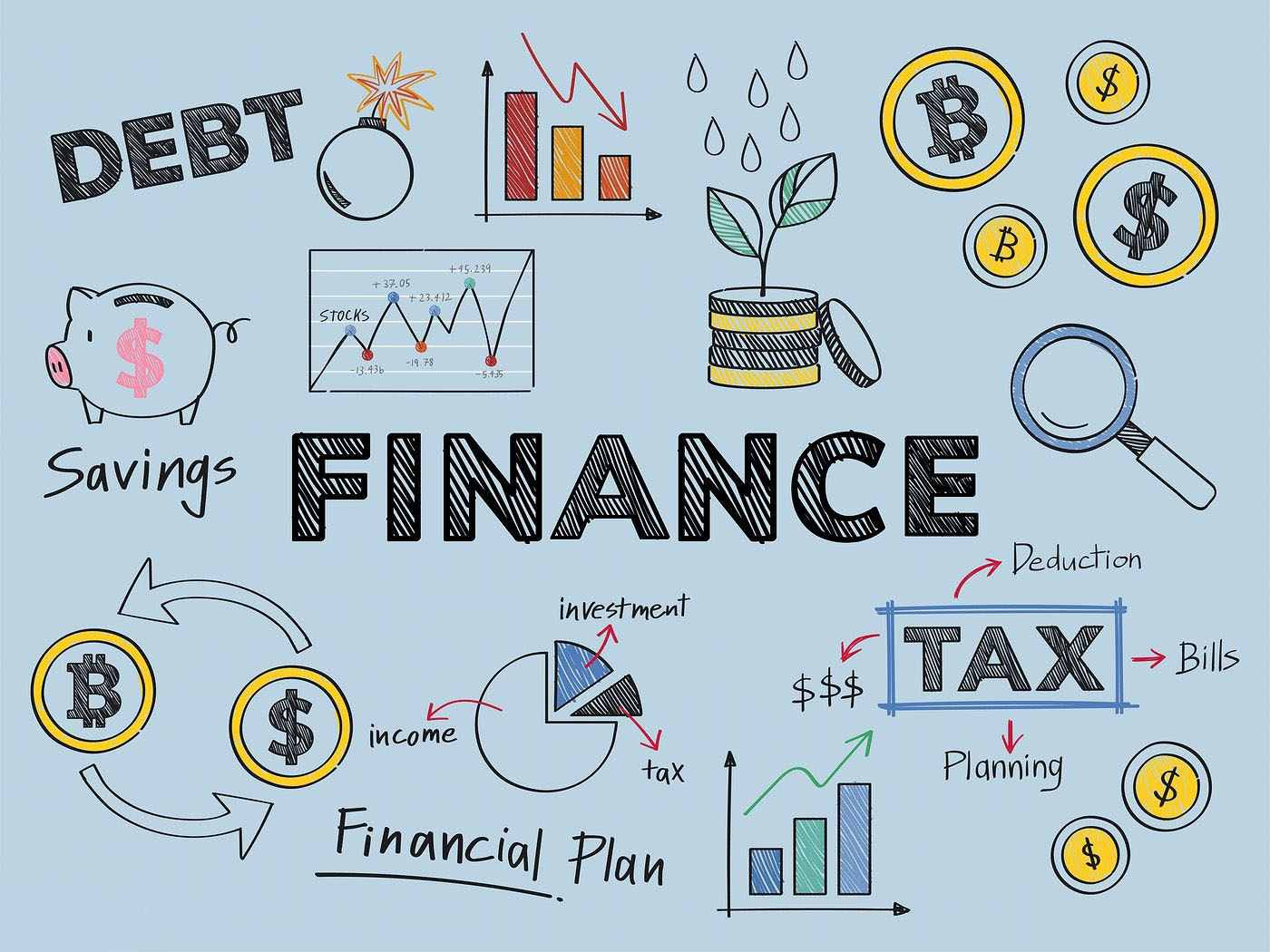
The financial market is a complex ecosystem that encompasses a wide range of instruments, from equities and indices to commodities, currencies, and cryptocurrencies. Investors and traders have access to various tools and platforms to monitor and analyze these markets. Understanding the dynamics of each instrument type can help in making informed decisions and managing risks effectively.
Types of Financial Instruments
Financial instruments are categorized into several types, including:
- Equities: Represent ownership in a company. Examples include stocks of major corporations like Apple, Tesla, and Amazon.
- Indices: Track the performance of a group of stocks, such as the S&P 500 or the Dow Jones Industrial Average.
- ETFs (Exchange-Traded Funds): These funds trade on stock exchanges and offer diversification across different asset classes.
- Commodities: Include precious metals like gold and silver, energy resources such as crude oil, and agricultural products.
- Currencies: Involve trading between different national currencies, often influenced by economic indicators and geopolitical events.
- Cryptocurrencies: Digital or virtual currencies like Bitcoin and Ethereum, which have gained significant attention in recent years.
- Bonds: Debt securities issued by governments or corporations, offering fixed income to investors.
- Certificates: Financial instruments that represent a claim on an underlying asset, often used for speculation or hedging.
Each of these instruments has its own characteristics, risks, and potential returns, making it essential for investors to understand their specific features before investing.
Market Indices and Performance
Market indices provide a snapshot of the overall health of the financial markets. Key indices include the S&P 500, Dow Jones, and Nasdaq, which reflect the performance of large-cap companies in the United States. Recent data shows that the S&P 500 has experienced modest gains, while the Nasdaq has seen a slight increase. The Dow Jones has also shown positive movement, indicating a generally bullish trend in the market.
The performance of these indices is influenced by various factors, including economic data, corporate earnings, and global events. For instance, strong earnings reports from major companies can boost investor confidence, leading to increased demand for stocks.
Commodities and Currencies
Commodities play a crucial role in the financial markets, with gold and silver often serving as safe-haven assets during times of uncertainty. Recent trends show that gold prices have risen, reflecting increased demand from investors seeking protection against inflation. Similarly, silver has also seen an uptick, driven by both industrial demand and investment interest.
In the currency markets, the U.S. Dollar Index has experienced slight fluctuations, influenced by changes in interest rates and economic conditions. The value of the dollar is closely watched by investors, as it impacts the cost of imports and exports, as well as the returns on foreign investments.
Cryptocurrency Trends
Cryptocurrencies have emerged as a significant player in the financial landscape, with Bitcoin and other altcoins gaining traction. Recent data indicates that Bitcoin's price has surpassed $120,000, driven by seasonal optimism and growing institutional interest. However, the broader cryptocurrency market remains volatile, with many altcoins experiencing rangebound movements.
The rise of cryptocurrencies has also led to increased scrutiny from regulators, who are working to establish frameworks that ensure investor protection and market integrity. As the market evolves, it is essential for investors to stay informed about regulatory developments and market trends.
Investment Strategies and Analysis
Investors are increasingly looking for strategies that can generate consistent returns while managing risk. Analysts often recommend focusing on high-quality stocks and diversified portfolios to mitigate the impact of market volatility. For example, healthcare stocks have shown promise, with some positioned to benefit from potential deals involving major players like Pfizer.
Additionally, the concept of high valuations causing bear markets is a topic of discussion among investors. While high valuations can indicate strong growth prospects, they may also lead to market corrections if expectations are not met. It is crucial for investors to conduct thorough research and analysis before making investment decisions.
Tools and Resources for Investors
Investors have access to a variety of tools and resources to aid in their decision-making process. These include:
- Stock Screeners: Allow users to filter stocks based on specific criteria, such as price, volume, and performance.
- Economic Calendars: Provide information on upcoming economic events that may impact the market.
- Technical Analysis Tools: Help investors identify trends and potential entry/exit points based on historical price data.
- News and Analysis: Keep investors informed about market developments and expert insights.
These tools can be invaluable for both novice and experienced investors, enabling them to make more informed decisions and manage their portfolios effectively.
Conclusion
The financial markets are dynamic and ever-changing, presenting both opportunities and challenges for investors. Understanding the various instruments available, monitoring market trends, and utilizing the right tools can significantly enhance one's ability to navigate the complexities of the market. As the financial landscape continues to evolve, staying informed and adaptable will be key to achieving long-term success.
 0 Comments


