Overview of the Financial Market Landscape
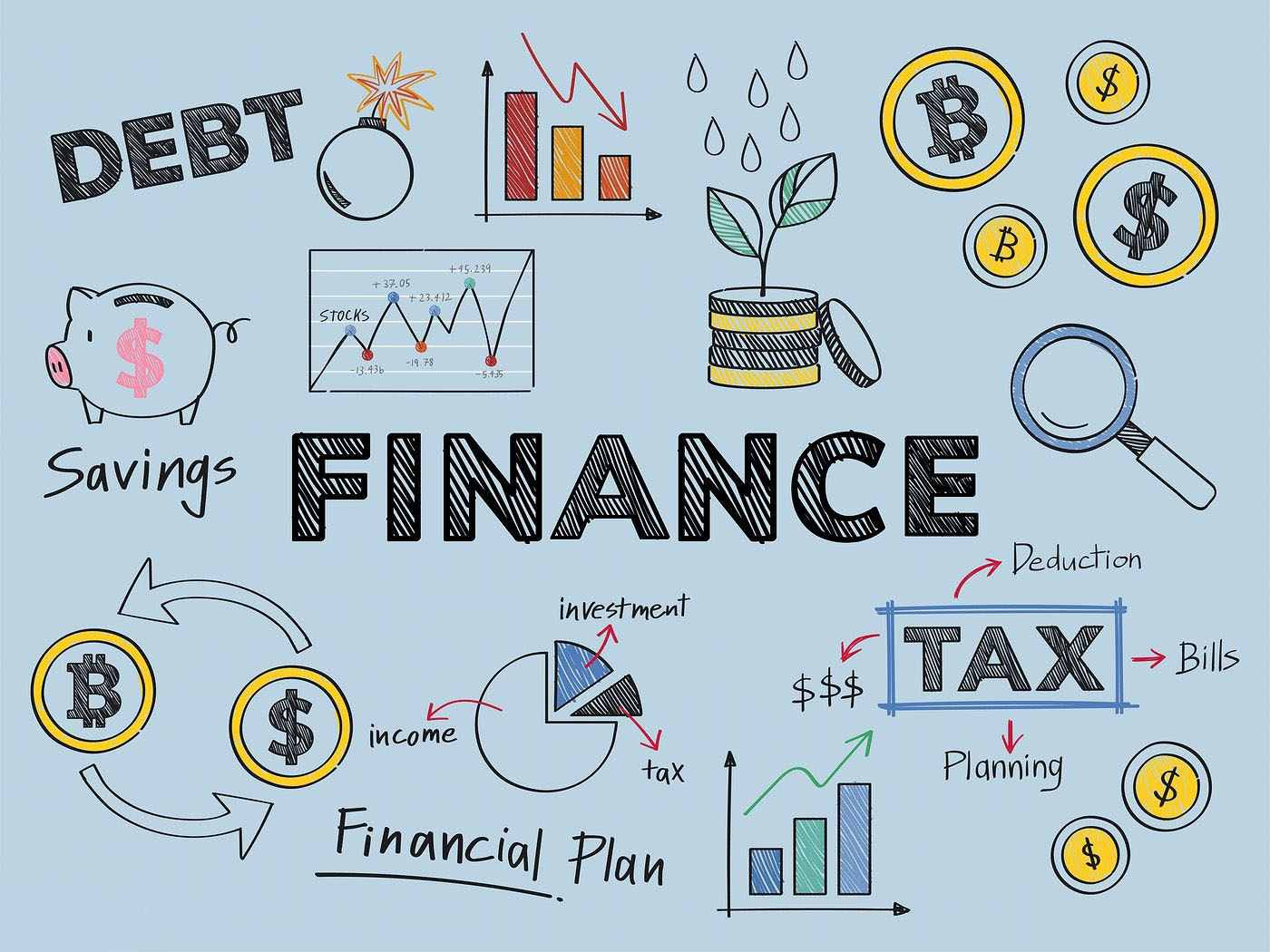
The financial market landscape is a complex and ever-evolving ecosystem that encompasses a wide range of instruments, from equities and indices to commodities, currencies, and cryptocurrencies. Investors and traders navigate this environment with a mix of strategies, tools, and insights aimed at maximizing returns while managing risks effectively. The market's volatility and the interplay between global economic factors make it a challenging yet rewarding domain for those who understand its dynamics.
Key Instruments and Their Performance
One of the most notable aspects of the current financial market is the performance of various instruments. For instance, gold and silver prices have been on an upward trajectory, with analysts raising their forecasts due to increased demand and geopolitical uncertainties. This trend reflects a broader shift in investor sentiment towards safe-haven assets amid economic instability.
In the cryptocurrency space, Bitcoin has shown significant growth, surpassing $120,000 as seasonal optimism drives buying activity. However, altcoins remain rangebound, indicating a more cautious approach among investors. This divergence highlights the varying degrees of confidence in different digital assets and the importance of diversification in a portfolio.
Economic Indicators and Market Trends
Economic indicators play a crucial role in shaping market trends. The U.S. 30-Year Treasury Yield, for example, has been a key focus for investors, with recent movements reflecting changes in monetary policy expectations. Similarly, the U.S. 10-Year Treasury Yield has seen fluctuations, influencing bond markets and investor behavior.
Indices such as the S&P 500 and the Nasdaq have also experienced notable shifts, with the S&P 500 showing a modest increase while the Nasdaq remains relatively stable. These movements are often influenced by corporate earnings, macroeconomic data, and investor sentiment.
Commodities and Currency Markets
Commodities like crude oil and natural gas have also seen significant price changes. Crude Oil WTI and Brent Oil have both recorded gains, driven by supply-side constraints and rising demand. In contrast, natural gas prices have dipped, highlighting the impact of weather patterns and energy consumption trends.
Currency markets are equally dynamic, with the Dollar Index experiencing slight declines. This can be attributed to a combination of factors, including interest rate differentials and global economic conditions. Currencies like the Euro and the British Pound have shown mixed performances, reflecting the diverse economic landscapes across regions.
Cryptocurrencies and ETFs
Cryptocurrencies continue to capture the attention of investors, with Bitcoin leading the charge. The rise in Bitcoin's price has sparked discussions about the potential for a Bitcoin ETF, which could significantly impact the market by increasing accessibility and liquidity. Other cryptocurrencies, such as Ethereum and Solana, are also gaining traction, albeit at a slower pace.
ETFs have become a popular investment vehicle, offering diversified exposure to various asset classes. Major ETFs like the SPDR S&P 500 and the iShares MSCI Emerging Markets have attracted substantial inflows, reflecting investor confidence in broad market indices and emerging markets.
Bonds and Investment Strategies
Bonds remain a critical component of investment portfolios, providing stability and income. The U.S. Treasury yield curve continues to be a focal point for investors, with the 10-Year and 30-Year yields showing slight increases. These movements can influence borrowing costs and overall market sentiment.
Investment strategies are evolving in response to changing market conditions. With high valuations prompting concerns about potential bear markets, investors are increasingly focusing on value stocks and dividend-paying companies. Warren Buffett's stocks, for instance, are being closely watched for their resilience and long-term growth potential.
Tools and Resources for Investors
Investors have access to a variety of tools and resources to navigate the financial markets effectively. Technical analysis, including candlestick patterns and moving averages, helps identify potential entry and exit points. Additionally, real-time charts and interactive tools provide valuable insights into market trends and price movements.
For those interested in tracking specific instruments, platforms offer features such as watchlists, alerts, and portfolio management tools. These resources enable investors to stay informed and make data-driven decisions.
Conclusion
The financial market landscape is characterized by its complexity and dynamism, offering both opportunities and challenges for investors. Understanding the performance of key instruments, monitoring economic indicators, and leveraging available tools are essential for navigating this environment successfully. As markets continue to evolve, staying informed and adaptable will be crucial for achieving long-term financial goals.
 0 Comments


