Overview of Financial Instruments and Market Data
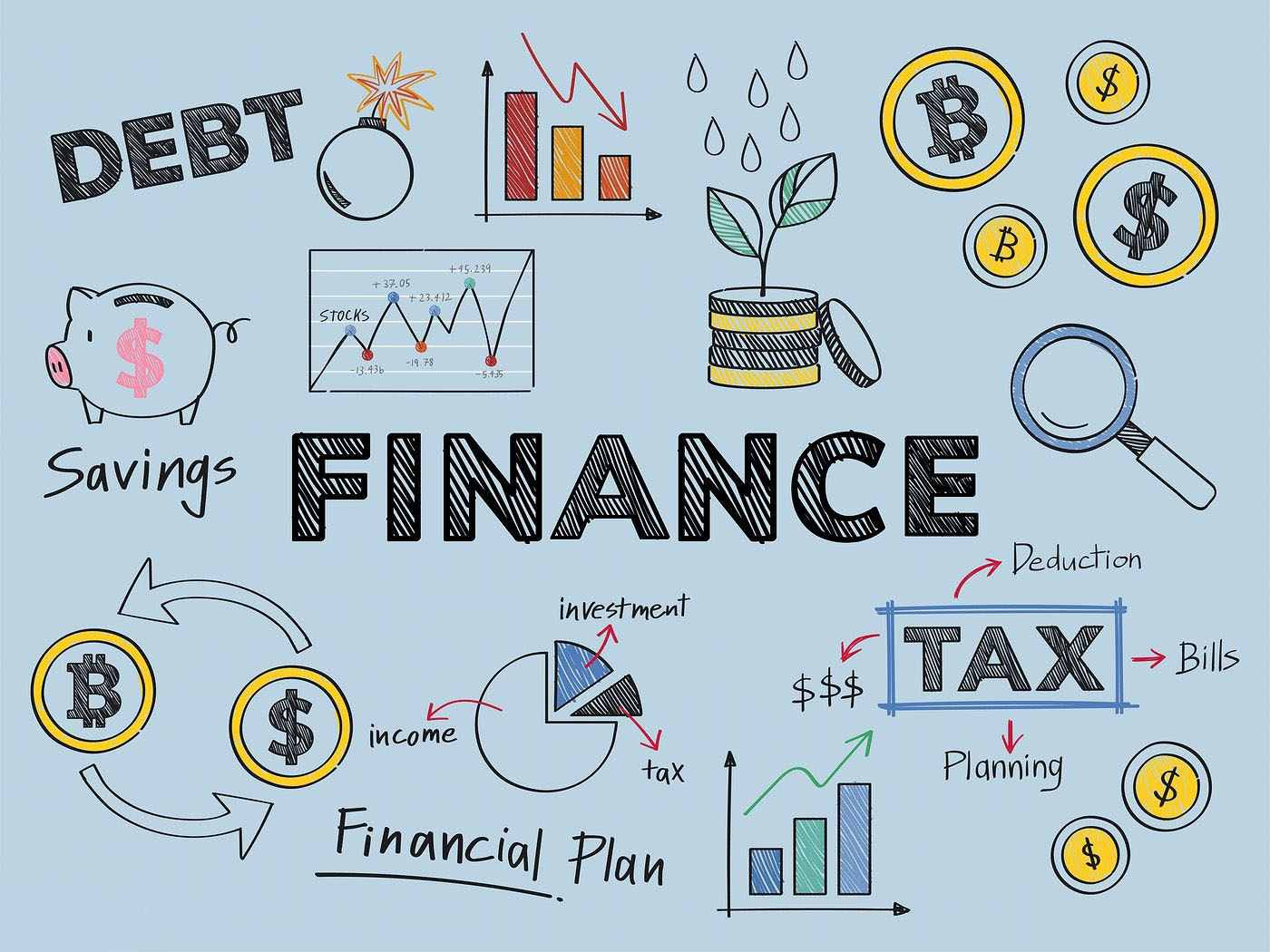
The financial market is a complex ecosystem that includes various types of instruments, each serving different purposes for investors. These instruments can be broadly categorized into equities, indices, commodities, currencies, cryptocurrencies, bonds, ETFs, and more. Each category provides unique opportunities and risks, making it essential for investors to understand their characteristics and how they interact with the broader economic landscape.
Types of Financial Instruments
- Equities: Represent ownership in a company and include common and preferred stocks. They are traded on stock exchanges and offer potential for capital appreciation and dividends.
- Indices: Track the performance of a group of stocks or other assets. Examples include the S&P 500, Dow Jones Industrial Average, and Nasdaq Composite.
- Commodities: Physical goods like gold, oil, and agricultural products that are traded on exchanges. They serve as a hedge against inflation and provide diversification.
- Currencies: Foreign exchange (forex) involves buying and selling different currencies. Major pairs include EUR/USD, USD/JPY, and GBP/USD.
- Cryptocurrencies: Digital or virtual currencies like Bitcoin and Ethereum that operate on blockchain technology. They are known for high volatility and speculative nature.
- Bonds: Debt securities issued by governments or corporations. They offer regular interest payments and return of principal at maturity.
- ETFs (Exchange-Traded Funds): Investment funds that trade on stock exchanges, similar to individual stocks. They offer diversification and flexibility.
- Funds: Pooling of money from multiple investors to invest in a diversified portfolio. Includes mutual funds, hedge funds, and more.
Key Financial Markets and Indices
Financial markets are dynamic and constantly evolving. Understanding the major indices and their significance is crucial for investors. Here are some of the most notable indices:
- S&P 500: Tracks the performance of 500 large-cap U.S. companies. It is a widely followed benchmark for the overall stock market.
- Dow Jones Industrial Average: One of the oldest and most recognized stock market indices, consisting of 30 blue-chip companies.
- Nasdaq Composite: Focuses on technology and growth-oriented companies, including many of the largest tech firms.
- FTSE 100: Represents the performance of the 100 largest companies listed on the London Stock Exchange.
- DAX: A German stock index that tracks the performance of the 30 largest and most liquid German companies.
These indices provide insights into market trends and investor sentiment, helping to guide investment decisions.
Cryptocurrency and Digital Assets
The rise of cryptocurrencies has introduced a new dimension to the financial market. Bitcoin, Ethereum, and other digital assets have gained significant attention due to their potential for high returns and innovative technology. However, they also come with substantial risks, including price volatility and regulatory uncertainty.
- Bitcoin: The first and most well-known cryptocurrency, often referred to as digital gold.
- Ethereum: A platform for building decentralized applications and smart contracts.
- Altcoins: Alternative cryptocurrencies to Bitcoin, such as Cardano, Solana, and Dogecoin.
Investors interested in cryptocurrencies should be aware of the risks involved and consider their risk tolerance before investing.
Currency Markets and Forex Trading
Forex trading involves the buying and selling of currencies. It is the largest financial market in the world, with trillions of dollars traded daily. Key currency pairs include:
- EUR/USD: The most traded currency pair, involving the euro and the U.S. dollar.
- USD/JPY: Involves the U.S. dollar and the Japanese yen.
- GBP/USD: Known as "cable," this pair involves the British pound and the U.S. dollar.
Forex traders use technical analysis, fundamental analysis, and market sentiment to make informed decisions. It is important to understand the factors that influence currency values, such as interest rates, economic data, and geopolitical events.
Bonds and Fixed Income Securities
Bonds are debt instruments that allow investors to lend money to entities in exchange for regular interest payments and the return of principal at maturity. They are considered lower risk compared to equities but still carry certain risks, such as credit risk and interest rate risk.
- Government Bonds: Issued by national governments, these are generally considered low-risk investments.
- Corporate Bonds: Issued by companies, they offer higher yields but come with higher credit risk.
- Municipal Bonds: Issued by local governments, these often offer tax advantages.
Investors should assess their risk tolerance and investment goals when considering bond investments.
ETFs and Investment Funds
Exchange-Traded Funds (ETFs) offer a convenient way to invest in a diversified portfolio of assets. They are traded on stock exchanges and can track indices, sectors, or specific asset classes.
- Index ETFs: Track the performance of a specific index, such as the S&P 500.
- Sector ETFs: Focus on a particular industry or sector, such as technology or healthcare.
- International ETFs: Provide exposure to foreign markets and currencies.
Investment funds, including mutual funds and hedge funds, pool money from multiple investors to invest in a diversified portfolio. They offer professional management and can provide access to a wide range of assets.
Conclusion
Understanding the various financial instruments and markets is essential for making informed investment decisions. Whether you are interested in equities, commodities, currencies, cryptocurrencies, bonds, or ETFs, it is important to conduct thorough research and consider your investment goals and risk tolerance. By staying informed and continuously learning about the financial markets, investors can navigate the complexities of the global economy and make strategic investment choices.
 0 Comments


