Overview of Aluminum Futures Market
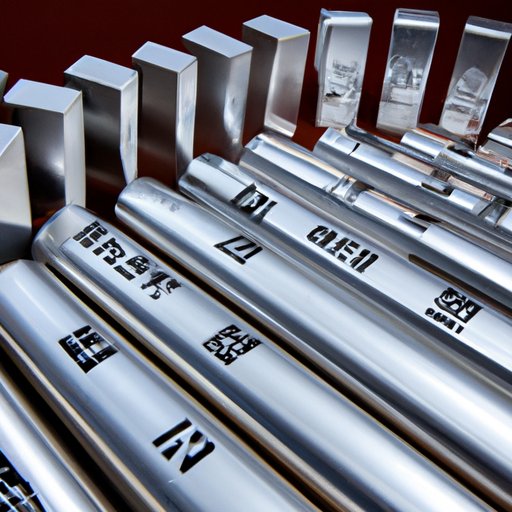
Aluminum futures have become a significant player in the global commodities market, offering investors a way to hedge against inflation and diversify their portfolios. The symbol for aluminum is MAL, and it is traded on various exchanges, including the CME. As of the latest data, the price of aluminum today stands at 2,644.00, showing a slight increase of 0.65% from the previous day's close.
The trading range for aluminum futures today is between 2,624.25 and 2,645.75, reflecting the current market dynamics. Over the past year, the 52-week range has been from 2,176.50 to 2,725.75, indicating a broad spectrum of price movements influenced by factors such as supply and demand, geopolitical events, and economic indicators.
Investing in aluminum can be both rewarding and risky. While the potential for profit exists, the volatility of commodity prices can lead to significant losses if not managed properly. Investors are advised to conduct thorough research or consult with financial advisors to make informed decisions.
How to Invest in Aluminum
There are several ways to invest in aluminum. One common method is through futures contracts, which allow investors to buy or sell aluminum at a predetermined price on a future date. Another option is to invest in aluminum ETFs, which provide exposure to the aluminum market without the need to purchase physical metal. Additionally, investors can choose to own physical aluminum, although this requires storage and insurance considerations.
For those interested in evaluating the performance of aluminum ETFs, platforms like InvestingPro offer valuable insights and tools. These resources can help investors understand the potential risks and rewards associated with aluminum investments.
Key Factors Influencing Aluminum Prices
Several factors influence the price of aluminum. Supply and demand dynamics play a crucial role, as changes in production levels or consumption patterns can impact market prices. Geopolitical events, such as trade disputes or conflicts, can also affect the availability of aluminum and its price. Weather conditions, particularly in regions where aluminum is produced, can disrupt supply chains and lead to price fluctuations.
Economic indicators, such as GDP growth and industrial activity, also contribute to aluminum price movements. A strong economy typically increases demand for aluminum, while economic downturns can lead to decreased demand and lower prices.
Recent News and Analysis
Recent news highlights the ongoing interest in aluminum and its related markets. For instance, trend-following investors have continued to add to U.S. equity exposure as realized volatility declines. This suggests that market participants are optimistic about the potential for growth in the equity market, which may indirectly affect aluminum prices.
In addition, there have been discussions regarding the impact of U.S. tariffs on aluminum imports. The recent decision to exempt refined copper from import duties contrasts with the treatment of aluminum, raising questions about the rationale behind these policies and their implications for the aluminum market.
Technical Indicators and Market Sentiment
Technical analysis plays a vital role in understanding the direction of aluminum prices. Various indicators, such as moving averages and candlestick patterns, can provide insights into market trends and potential price movements. Currently, the technical analysis of aluminum futures indicates a strong buy signal, suggesting that the market is poised for an upward trend.
Investors should pay attention to these signals and consider them when making investment decisions. However, it is essential to remember that technical analysis is not infallible and should be used in conjunction with other forms of analysis.
Conclusion
In conclusion, the aluminum futures market offers a unique opportunity for investors to diversify their portfolios and potentially benefit from the price movements of this essential commodity. However, it is crucial to approach aluminum investments with caution, considering the inherent risks and volatility associated with the market.
By understanding the factors that influence aluminum prices, utilizing available resources for analysis, and staying informed about market developments, investors can make more informed decisions. Whether through futures contracts, ETFs, or physical ownership, the aluminum market presents a range of options for those willing to navigate its complexities.
 0 Comments


