Overview of Financial Instruments and Market Trends
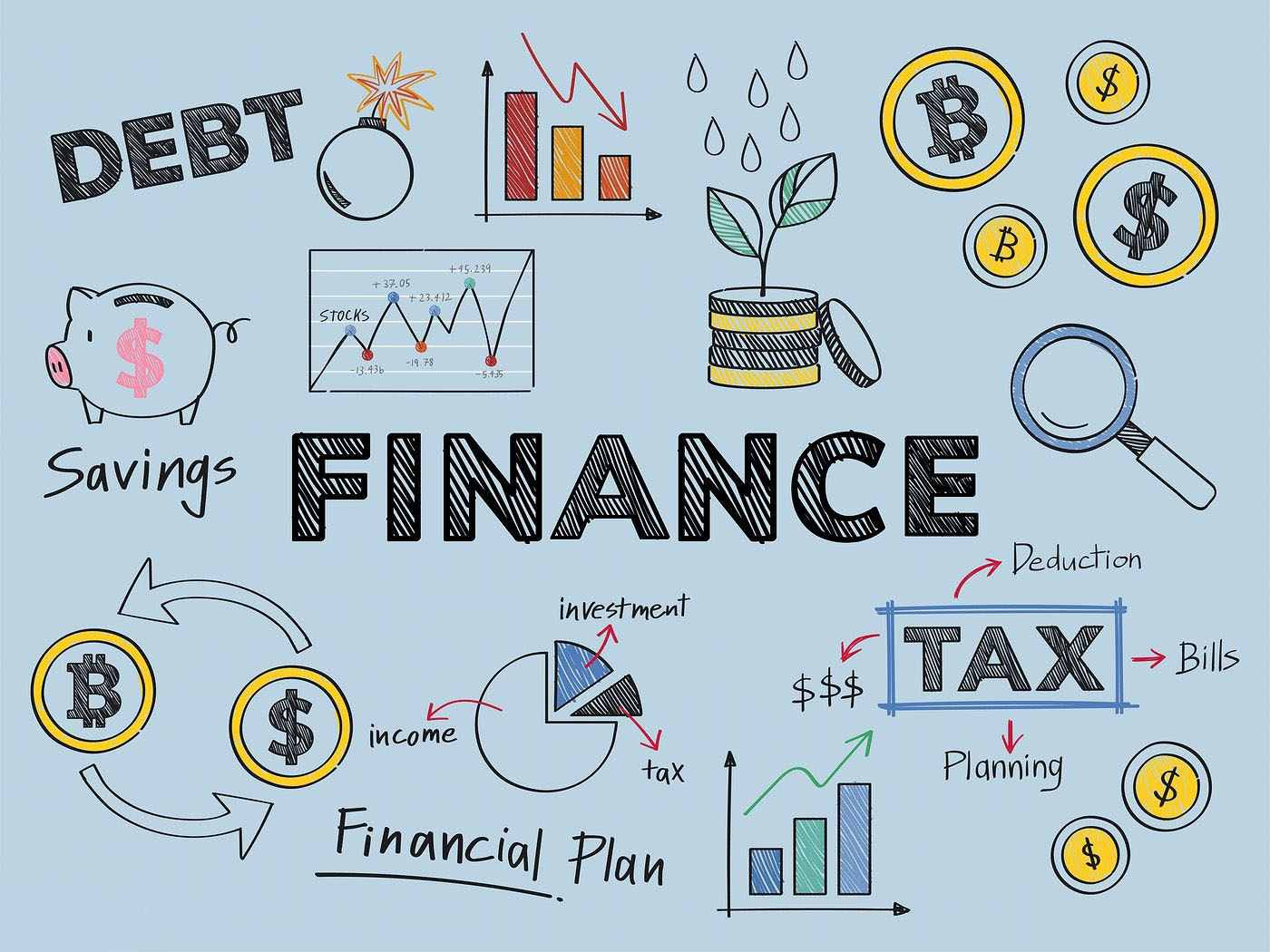
The financial market is a dynamic landscape where various instruments such as indices, equities, ETFs, funds, commodities, currencies, crypto, bonds, and certificates play a significant role. Investors and traders constantly monitor these instruments to make informed decisions based on market trends and economic indicators.
Key Instruments and Their Significance
- Indices: These are benchmarks that represent the performance of a specific segment of the market. Examples include the S&P 500, Dow Jones, and Nasdaq.
- Equities: Stocks represent ownership in a company and are traded on stock exchanges. They offer potential for capital appreciation and dividends.
- ETFs (Exchange-Traded Funds): These funds track an index, commodity, or basket of assets and are traded like stocks on an exchange.
- Funds: Mutual funds and other investment vehicles that pool money from multiple investors to invest in a diversified portfolio.
- Commodities: Physical goods like gold, oil, and agricultural products that are traded on global markets.
- Currencies: Foreign exchange (forex) involves buying and selling different currencies, influenced by interest rates, economic data, and geopolitical events.
- Crypto: Cryptocurrencies like Bitcoin and Ethereum have gained popularity as digital assets with potential for high returns.
- Bonds: Debt securities issued by governments or corporations, offering fixed income to investors.
- Certificates: Financial instruments that derive their value from an underlying asset, often used for leveraged trading.
Market Performance and Analysis
Recent market performance highlights the importance of understanding current trends and analyzing key indicators. For instance, the S&P 500 has shown a positive trend, reflecting investor confidence in the economy. Similarly, the Nasdaq has seen modest gains, indicating growth in technology stocks.
Economic Indicators and Their Impact
Economic indicators such as GDP, employment data, and inflation rates significantly influence market movements. For example, strong employment figures can boost consumer spending, leading to increased corporate profits and higher stock prices. Conversely, rising inflation may lead to higher interest rates, which can negatively impact bond prices and equity valuations.
Currency Exchange Rates
Currency exchange rates are crucial for international trade and investment. The U.S. Dollar Index (DXY) reflects the value of the U.S. dollar against a basket of major currencies. A stronger dollar can affect the competitiveness of U.S. exports, while a weaker dollar may boost import costs.
Investment Strategies and Risk Management
Investors employ various strategies to manage risk and maximize returns. Diversification is a fundamental principle, spreading investments across different asset classes to reduce exposure to any single risk. Additionally, hedging techniques such as options and futures can help mitigate potential losses.
Technical Analysis and Charting Tools
Technical analysis involves studying historical price data and volume to predict future market movements. Tools like candlestick charts, moving averages, and technical indicators aid in identifying trends and potential entry/exit points for trades.
Sentiment Analysis
Market sentiment plays a vital role in determining price movements. Positive sentiment can drive up asset prices, while negative sentiment may lead to sell-offs. Monitoring news, analyst ratings, and social media trends can provide insights into market psychology.
Emerging Trends and Opportunities
The financial landscape is continuously evolving, with new opportunities emerging in areas like cryptocurrency and renewable energy. For example, the rise of Bitcoin and other cryptocurrencies has opened up new avenues for investment, while the shift towards sustainable energy sources presents potential growth in green technologies.
Regulatory Environment
Regulatory changes can significantly impact market dynamics. Investors must stay informed about regulatory developments that may affect their portfolios. Compliance with regulations is essential to avoid legal issues and ensure smooth operations.
Conclusion
Understanding the complexities of the financial market requires a comprehensive approach, combining knowledge of various instruments, economic indicators, and investment strategies. By staying informed and adapting to market changes, investors can navigate the financial landscape more effectively and achieve their financial goals.
 0 Comments